Blog
Give us a call today

Call Us : +1 (626) 798-0558

Clinical Factors That Differentiate Short-Term Rehabilitation from Long-Term Care
Short-term rehabilitation and long-term care are often discussed together because they may occur in the same clinical setting, yet they serve distinctly different purposes. The distinction is not simply about how long someone stays. It is rooted in clinical goals, patient stability, expected outcomes, and the type of medical oversight required. Understanding these differences helps families and patients interpret care recommendations and align expectations with clinical realities.
Both models are designed around patient safety and functional support, but they respond to very different health trajectories. Short-term rehabilitation is built around recovery and measurable improvement following an acute medical event. Long-term care addresses sustained medical or functional needs that are not expected to resolve in the near future. The clinical framework guiding each approach influences everything from therapy intensity to monitoring frequency.
Primary Clinical Goals and Expected Outcomes
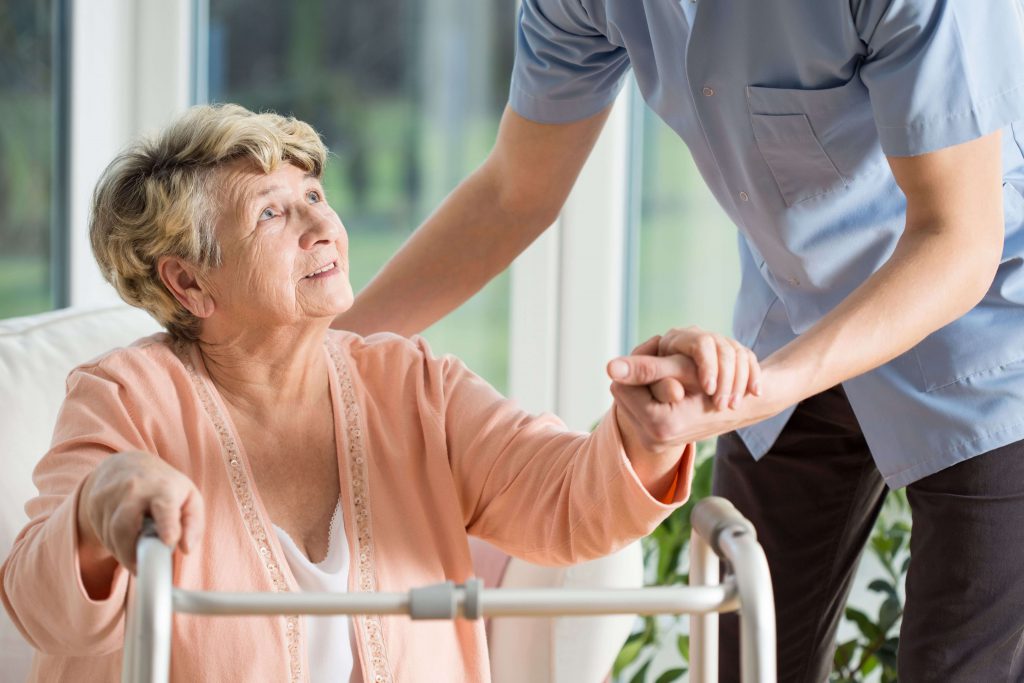 The central clinical goal of short-term rehabilitation is restoration of function. Patients are typically admitted after surgery, injury, or hospitalization with the expectation that structured therapy and medical oversight will help them regain mobility, strength, or independence. Care plans are outcome-driven, with clearly defined benchmarks tied to recovery milestones.
Long-term care operates under a different clinical objective. Rather than focusing on recovery from a single event, it prioritizes stability, symptom management, and preservation of quality of life. Patients may have chronic conditions, progressive neurological diseases, or complex medical needs that require sustained supervision. The clinical emphasis is on maintaining safety and preventing decline rather than achieving rapid functional gains.
Patient Stability and Medical Complexity
Short-term rehabilitation patients are generally considered medically stable enough to participate in active therapy, even if they still require nursing oversight. Their conditions are typically improving, and care teams monitor progress toward discharge readiness. Clinical decision-making centers on how safely and efficiently a patient can transition back to a lower level of care.
In long-term care, medical complexity often remains ongoing. Patients may require continuous assistance with daily living, medication management, or monitoring for complications related to chronic illness. Stability is measured differently. The focus is not on preparing for discharge within a defined timeframe, but on sustaining safe function over an extended period.
Intensity and Structure of Therapy Services
Therapy intensity is one of the clearest clinical differentiators. Short-term rehabilitation programs typically involve scheduled physical, occupational, or speech therapy sessions multiple times per week. Progress is evaluated frequently, and treatment plans are adjusted to maximize recovery potential. Participation and endurance are clinically important markers.
Long-term care may include therapy, but it is generally maintenance-focused rather than restorative. The purpose is to preserve existing abilities, manage discomfort, or prevent secondary complications such as contractures or deconditioning. Therapy schedules are often less intensive and guided by comfort, tolerance, and long-term functional preservation.
Time Horizon and Discharge Planning
Short-term rehabilitation is inherently transitional. From admission, clinicians evaluate functional benchmarks tied to discharge planning. Goals are specific and measurable, such as walking a defined distance safely or performing essential daily tasks with minimal assistance. Clinical reviews focus on readiness to return home or move to a lower-support environment.
Long-term care planning is structured around sustained residency or extended support. While reassessments occur regularly, discharge is not assumed to be imminent. Instead, clinicians adapt care strategies as medical conditions evolve. The time horizon is open-ended, reflecting the persistent nature of the patient’s needs.
Nursing Oversight and Monitoring Priorities
Short-term rehabilitation emphasizes close nursing oversight to support recovery. Monitoring often focuses on post-surgical healing, medication adjustment, pain control, and prevention of complications that could interrupt rehabilitation progress. Clinical interventions are timed to support therapy participation and recovery milestones.
Long-term care nursing priorities center on ongoing health maintenance. Staff monitor chronic disease management, skin integrity, nutrition, and safety risks associated with mobility or cognition. The cadence of care is steady and preventive, aiming to reduce hospital readmissions and maintain consistent daily function.
Functional Baseline and Recovery Potential
Admission to short-term rehabilitation typically assumes a realistic potential for improvement. Clinicians evaluate the patient’s pre-event functional baseline, current impairments, and capacity to benefit from therapy. Recovery trajectories are individualized but grounded in clinical indicators that suggest meaningful gains are achievable.
Long-term care patients may have limited recovery potential due to progressive disease, advanced frailty, or sustained disability. Clinical planning shifts toward adaptation and support rather than restoration. Maintaining comfort, dignity, and safe daily routines becomes the central framework guiding care decisions.
Care Team Coordination and Clinical Decision-Making
Short-term rehabilitation requires tightly coordinated interdisciplinary care. Therapists, nurses, and medical providers communicate frequently to align treatment intensity with patient tolerance. Clinical decisions are often time-sensitive because progress affects discharge readiness. Documentation emphasizes measurable change and functional improvement.
In long-term care, coordination remains essential but focuses on continuity rather than rapid progression. Care teams monitor trends over time, adjusting interventions to reflect evolving health status. Decision-making prioritizes long-term safety, symptom control, and quality-of-life considerations rather than short-term milestones.
Clinical Environment and Level of Support
Both care models may exist within settings that provide skilled nursing care, yet the clinical environment is organized differently depending on patient needs. Short-term rehabilitation spaces are structured to encourage mobility, therapy access, and frequent clinical reassessment. Equipment, staffing patterns, and schedules support recovery-focused activity.
Long-term care environments emphasize sustained accessibility and safety. Layout, staffing, and daily routines are designed to accommodate ongoing assistance with mobility, cognition, and medical management. Clinical workflows reflect the need for consistency and long-term monitoring rather than rapid functional turnover.